
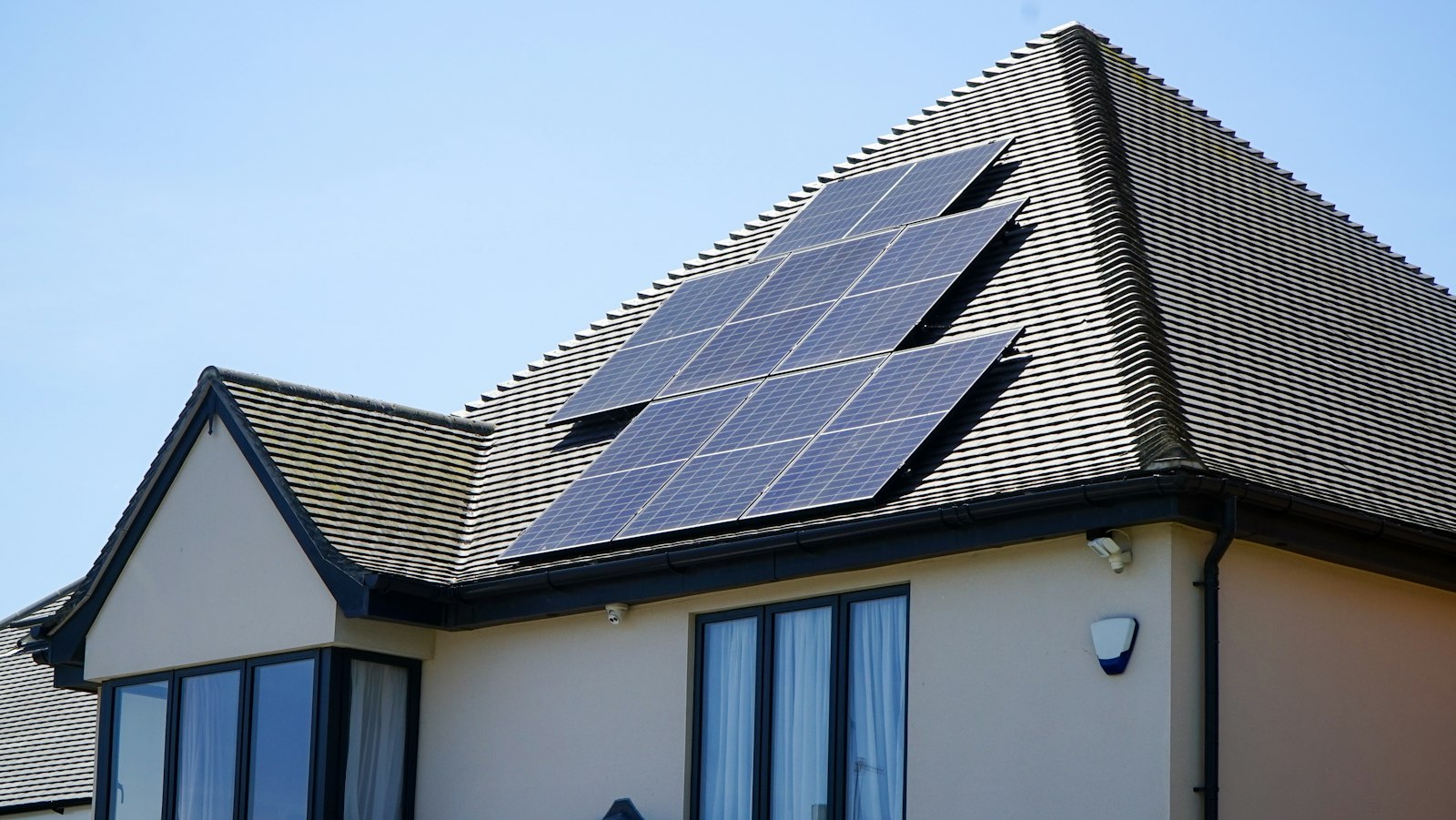

From balcony solar to shared power plants, city residents are now making their own energy
Since last spring, the roof of an apartment complex on the edge of a large city has been covered with about three hundred solar panels. It is a shared power plant that the residents’ council spent three years preparing. The electricity generated by day runs the complex’s elevators and underground parking lights, and the surplus is sold to the utility.
It was not smooth sailing from the start. Residents held more than twenty meetings over who would pay for the roof waterproofing, whether people in shaded buildings would lose out, and how to split the proceeds.
The First Summer With Lower Bills
The results showed up in the numbers first. In the first summer after the plant started up, the shared electricity bill fell by nearly 40 percent from the year before. Per household, that is only about ten dollars a month, but residents felt a bigger change than that.
Knowing that our own roof produces electricity changed more than any call to save power ever did.
Residents’ council chair
How to Get Started Together
- Inspect the roof structure and waterproofing first
- Check local government incentive programs for multifamily solar
- Put the revenue-sharing rules in writing before installation
- Post the monthly generation figures on the complex’s notice board
Experts call multifamily solar the most realistic starting point for the urban energy transition. You need neither vast land nor fancy technology, because the roofs already exist.
The complex’s next goal is EV chargers, so residents can charge their cars with the power made during the day. Bit by bit, the little power plant on the roof is changing the neighborhood’s daily life.



Add your first comment to this post