
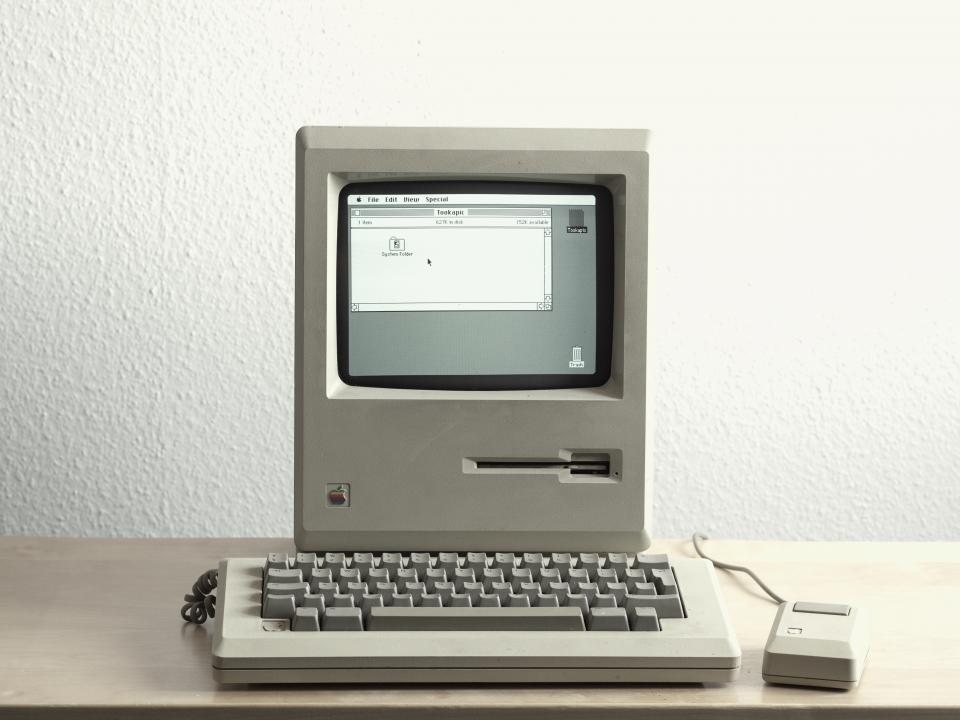
What old-school reporters can teach us about writing today
My father used to say my grandfather was a copy editor at a small-town paper long ago. He told stories about manuscript paper, red pens, and cigarette smoke just before deadline. Reporters of that era worked with far slower tools than ours, yet the stories they left behind somehow still read as fresh today.
What did writing look like before search bars, spell checkers, and notifications? Over the past few months I tried those old methods one at a time, and here are the ten habits I took away.
1. Write by hand first
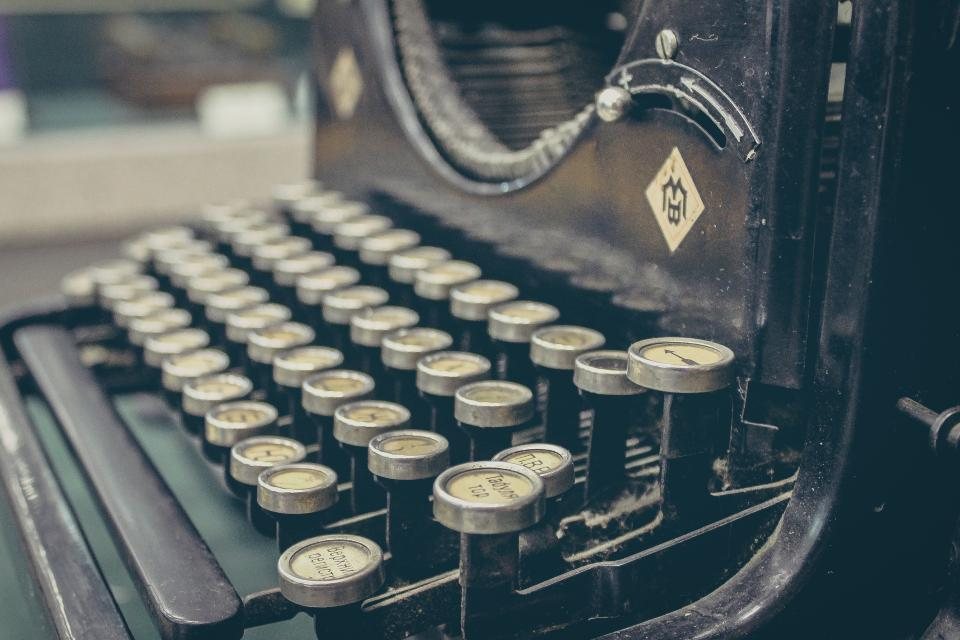
Before sitting down at the typewriter, reporters wrote in their notebooks first. Because crossing things out is a hassle, you turn each sentence over once more in your head. Try drafting just the first paragraph on paper, and the time you spend revising on screen shrinks remarkably.
2. Set your own deadline
A newspaper has an hour when the press will not wait for anyone. That pressure made sentences short and tight. Personal blogs need deadlines too. “Not “this week,””but ““Thursday at 10 p.m.””Be that specific, and the piece will eventually get finished.
3. Bet everything on the first sentence
The inverted pyramid may look like an outdated formula, but it is the oldest way of respecting a reader’s time. Put who did what, and why, in the first sentence. The rest of the paragraphs then exist to back it up.
A good story is one where the reader loses nothing even if it ends after the first sentence.
From an editor’s memo
4. The other seven
- Keep one idea to a paragraph
- Cut the adjectives and change the verbs
- Go see it yourself, and quote what you hear exactly
- Check every number twice
- Read aloud, and cut any sentence that leaves you out of breath
- Let a finished draft sit overnight, then reread it
- Write the last paragraph so it circles back to the first
These habits are not special techniques. They are simply the wisdom of an era when thinking had to be quick because the tools were slow. Now that our tools have become too fast, we may need to borrow some of that slowness on purpose.
Tonight, turn off your notifications and open a notebook. Just writing your first sentence by hand will change the piece a little.

Add your first comment to this post